
Wild Oyster Harvesting Begins
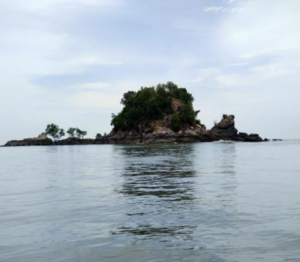
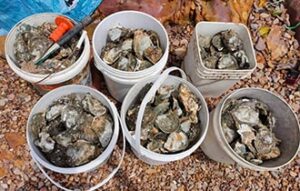
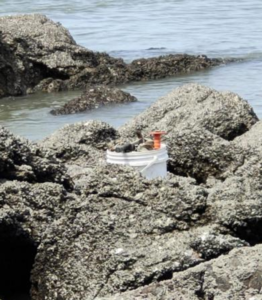
In 2016, Sea Life Aquaculture took its first step into the aquaculture industry by harvesting wild oysters from four key islands. Pulau Jemur, Pulau Terkukur, Pulau Besar, and Pulau Angsa situated along the coastline of Pantai Remis, Jeram, Kuala Selangor. These locations were chosen for their rich marine biodiversity and natural oyster habitats, where wild oysters thrived in nutrient-rich waters.
The process involved carefully collecting oysters by hand from intertidal and subtidal zones. The harvested oysters were then sorted, cleaned, and prepared for sale, ensuring quality and freshness. This early stage provided valuable experience in handling and processing oysters while revealing the challenges of relying on wild harvesting, such as seasonal fluctuations and inconsistent supply.
Research and Development Initiated
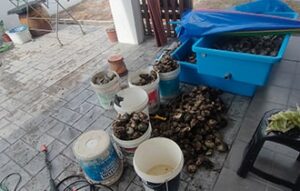
Recognizing the limitations of wild oyster harvesting, Sea Life Aquaculture began researching sustainable methods to ensure a steady supply of high-quality oysters. This led to the initial development of hatchery-based production, which aimed to cultivate oysters from larvae rather than depending on natural stocks.
Key Milestones in R&D
-
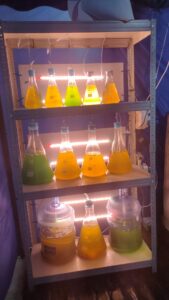
Microalgae Culture Development
- – Microalgae serve as the primary food source for oyster larvae.
- – The first successful culture of microalgae was established in a
controlled environment, marking the foundation for larval rearing. - – Experimented with different algae strains to identify the most
suitable nutritional profile for oyster spat growth.
-
Spawning System Implementation
- – Designed and tested an early version of an artificial spawning
system to induce oyster reproduction in a controlled setting. - – This system allowed selective breeding, improving genetic quality
and survival rates of the larvae.
- – Designed and tested an early version of an artificial spawning
-
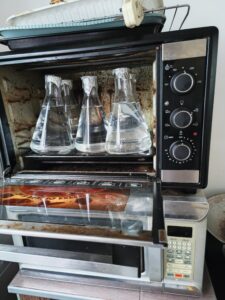
Home-Based Mini Hatchery Setup
- – Constructed a small-scale hatchery within a controlled environment
to experiment with oyster breeding. - – Developed techniques for water filtration, temperature regulation,
and larval care. - – Conducted trials to understand optimal conditions for oyster spat
survival and growth.
- – Constructed a small-scale hatchery within a controlled environment
Through this research, Sea Life Aquaculture laid the groundwork for transitioning from wild oyster harvesting to a structured hatchery system. These foundational efforts would later evolve into a fully functional hatchery capable of producing high-quality oyster spat at a commercial scale.

Leave A Comment