
2020 marked a major breakthrough for Sea Life Aquaculture as the company successfully transitioned from relying on wild oyster harvesting to producing its own oyster spat. This achievement not only ensured a sustainable and consistent supply of oysters but also positioned the company as a key player in Malaysia’s oyster farming industry.
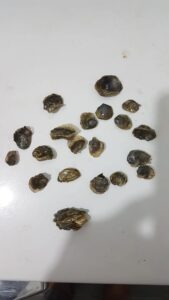
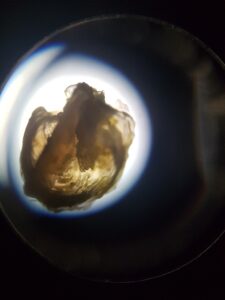
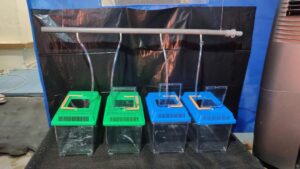
First Batch of 3,000 Oyster Spat Successfully Produced
After years of research and development, Sea Life Aquaculture successfully produced its first batch of 3,000 oyster spat, marking a crucial milestone in its hatchery operations.
Key Achievements in Spat Production:
-
Refinement of Hatchery Techniques
- – Perfected the spawning and larval rearing process, ensuring a high survival rate.
- – Optimized microalgae production for efficient larvae feeding.
- – Established a controlled seawater filtration and circulation system to maintain optimal water quality for spat growth.
-
Self-Sufficiency & Supply Stability
- – Reduced dependency on wild oyster stocks by producing spat in-house.
- – Laid the foundation for large-scale commercial oyster farming, ensuring a consistent and predictable oyster supply.
-
Quality & Genetic Selection
- – Carefully selected broodstock with superior genetics, ensuring better growth rates, disease resistance, and premium meat quality in the resulting oysters.
This milestone marked the first step toward large-scale oyster hatchery operations, setting the stage for further research and expansion.
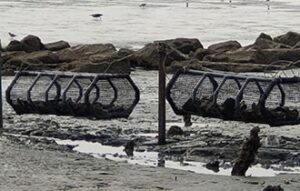
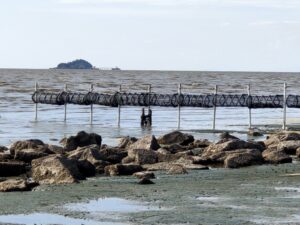

Installation of the First Suspended Longline Farming System
With oyster spat production successfully established, the company focused on enhancing farming techniques by installing its first suspended longline farming system.
Benefits of the Longline Farming System:
-
Increased Oyster Growth Efficiency
- – Provided better water circulation and higher food availability, leading to faster oyster growth rates.
- – Minimized sediment buildup compared to traditional bottom farming, ensuring cleaner and healthier oysters.
-
Improved Disease & Predation Management
- – Suspended oysters above the seafloor reduced exposure to mud, predators, and harmful pathogens.
- – Allowed for easier monitoring and maintenance, reducing oyster mortality.
-
Scalability for Future Expansion
- – Designed to accommodate more oyster spat per farming area, supporting large-scale production.
- – Provided flexibility in farm management, allowing adjustments based on oyster growth rates and environmental conditions.
With the successful deployment of the longline farming system, Sea Life Aquaculture took a significant step toward modern, sustainable oyster aquaculture, ensuring higher yields, better product quality, and long-term industry growth.

Leave A Comment